

Share
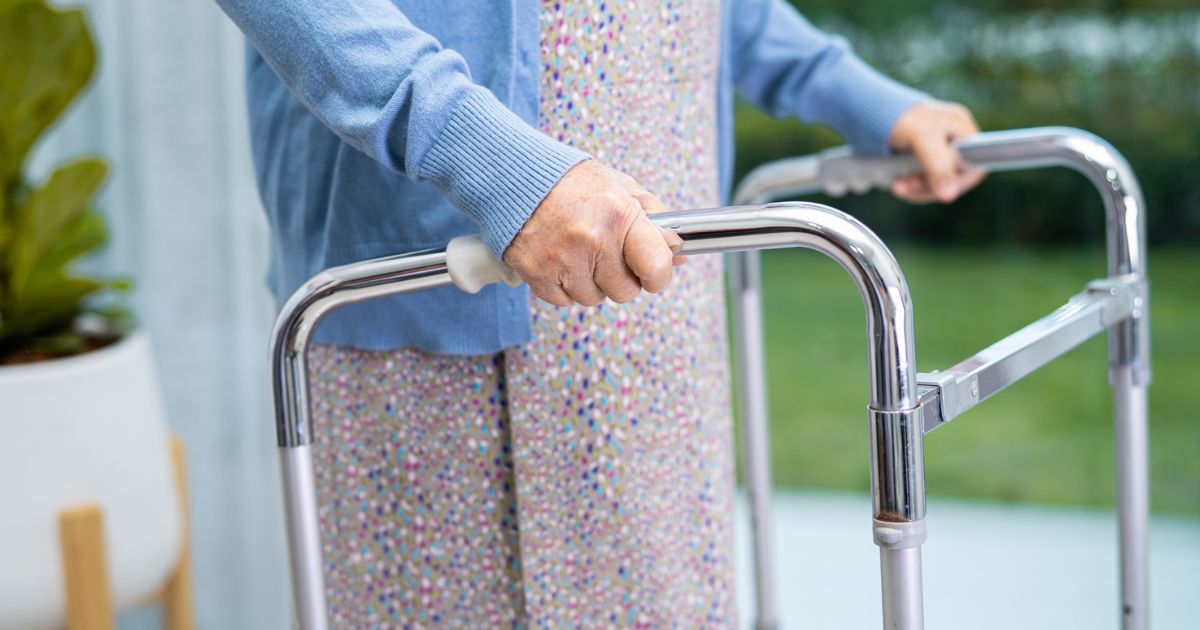
Senior Safety: Rebuilding Confidence After a Fall or Health Setback
A fall, hospitalization, or unexpected health setback can change more than a senior’s physical abilities. It can also affect confidence and peace of mind.
After an injury or illness, many older adults become more cautious about activities they once completed without hesitation. They may worry about falling again, overexerting themselves, or losing their independence. Family members often share these concerns, wondering how to best support their loved one while helping them stay safe.
The good news is that recovery is about more than healing physically. With encouragement, personalized support, and a focus on senior safety, older adults can continue enjoying the activities, relationships, and routines that bring meaning to their lives.
Key Takeaways: Senior Safety Recovery After an Accident
- Falls and health setbacks can impact emotional well-being as much as physical health.
- Fear of falling again is common among older adults during recovery.
- Small successes can help seniors rebuild stamina and emotional strength.
- Senior safety measures support independence rather than limit it.
- Assisted Living communities can provide personalized support, encouragement, and peace of mind throughout recovery.
Table of Contents
Why Confidence Often Changes After a Fall
Understanding the Emotional Side of Recovery
Five Ways to Recover After a Health Setback
The Role of Personalized Support and Rehabilitation
Why Confidence Often Changes After a Fall
Even after physical injuries heal, the fear of experiencing another accident can remain. Seniors may become hesitant to walk without assistance, participate in favorite activities, or leave their homes. Simple tasks that once felt routine may suddenly seem overwhelming. This reaction is completely normal.
According to the Centers for Disease Control and Prevention (CDC), falls are a leading cause of injury among older adults. After experiencing a fall, some seniors can become afraid which can lead them to limit activity. Unfortunately, reduced activity can sometimes contribute to decreased strength and balance over time. Recovery involves rebuilding both physical abilities and emotional resilience.
Understanding the Emotional Side of Recovery
When families think about recovery, they often focus on medical appointments, senior rehab, physical and occupational therapy, and physical healing. However, emotional recovery is equally important.
Fear and Anxiety
Many seniors worry about becoming a burden on loved ones. Concerns about future falls or health complications can create anxiety that affects daily life.
Frustration
Activities that were once simple may require additional time or assistance during recovery. This adjustment can feel frustrating for individuals who are accustomed to being independent.
Isolation
After a setback, some seniors begin to question their abilities, even when they are physically capable of doing more than they realize.
Hope and Progress
While these feelings are common, they are often temporary. With support and encouragement, seniors may feel more like themselves as they recognize their own progress and capabilities.
Five Ways to Recover After a Health Setback
Recovery looks different for everyone, but there are several strategies that can help seniors feel more secure.
1. Focus on Small, Achievable Goals
Small milestones such as walking a little farther, participating in an activity, or completing a daily task independently can help seniors recognize their progress and build momentum. Celebrating these victories can encourage continued growth.
2. Stay Physically Active
Whether through rehabilitation exercises, walking programs, fitness classes, or physical therapy, staying active can help improve strength, balance, and endurance.
3. Accept Support When Needed
Many seniors hesitate to ask for help. Family members, caregivers, healthcare professionals, and senior living team members can provide encouragement and assistance while allowing seniors to remain as active and engaged as possible.
4. Create a Safer Environment
Simple senior safety measures can reduce risks and provide reassurance, including:
- Well-lit living spaces
- Clear walking paths
- Grab bars and handrails
- Accessible bathrooms
- Appropriate mobility devices when recommended
When seniors feel secure in their environment, they are often more willing to stay active and engaged.
5. Stay Connected with Others
Maintaining social connections helps support emotional well-being and can provide valuable encouragement during the recovery process.
Conversations with friends, participation in community programs, and regular family visits can all help seniors feel connected and supported.
The Role of Personalized Support and Rehabilitation
Every recovery journey is unique. Some seniors may need short-term support following a hospitalization, while others may require ongoing assistance with daily activities. Personalized care ensures that support is tailored to each individual’s needs, preferences, and goals.
Assisted Living communities can provide services such as:
- Assistance with activities of daily living
- Medication management
- Wellness monitoring
- Coordination with healthcare providers
- Opportunities for physical activity and rehabilitation
- Social engagement and enrichment programs
While recovery can take time, many seniors regain confidence through a combination of encouragement, personalized support, and proactive senior safety measures.
At The Carriages, we believe senior safety and feeling your best go hand in hand. Through personalized care, supportive services, and a compassionate community environment, we help residents continue to live the life they love. Download our Exploring Assisted Living Guide to learn how Assisted Living services can support older adults and their families.
