Share
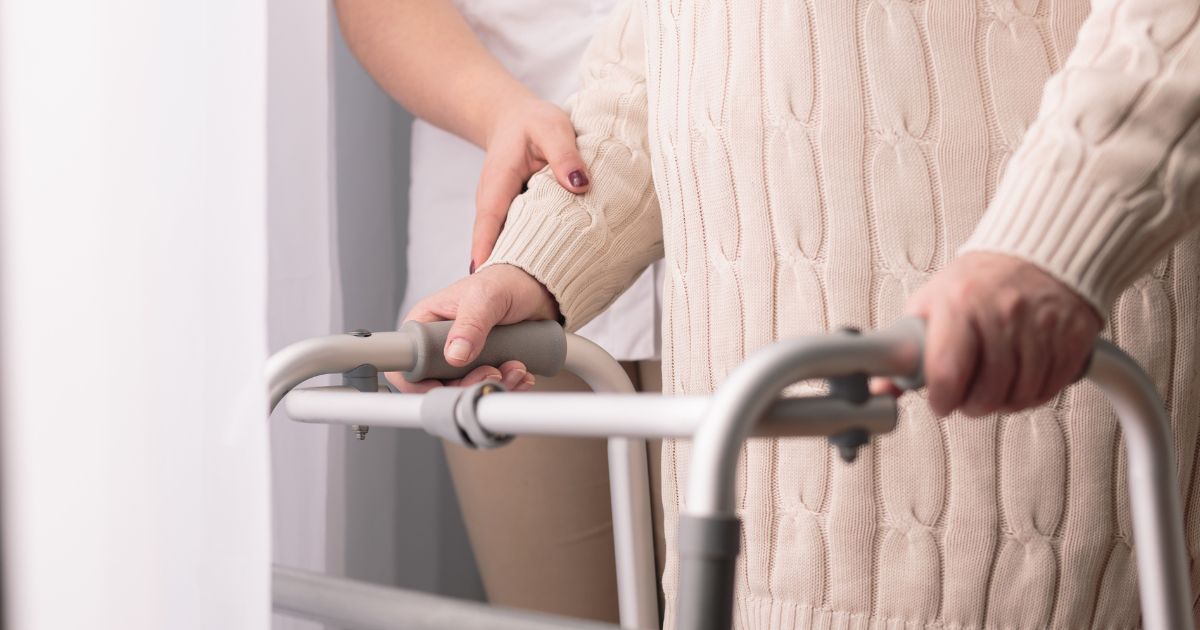
Prioritizing Senior Safety by Creating an Intentional Environment for Your Loved Ones
Most families want their loved ones to remain independent for as long as possible. Aging in place can feel comforting and familiar. But as needs change, even small safety risks at home can quietly grow into bigger concerns.
Prioritizing senior safety does not mean taking away independence. It means creating an intentional environment that supports confidence, mobility, and peace of mind. This checklist will help you identify common home safety concerns, take practical steps right away, and recognize when enhanced support may be the safer next step.
In Summary: Ways to Create Safe Environment for Your Senior Loved One
- Small changes can significantly improve senior safety at home. Simple updates like better lighting, grab bars, and clutter removal reduce fall risk immediately.
- Aging in place requires regular reassessment. What worked last year may not be enough today.
- Medication management and mobility challenges are common safety risks. Proactive planning can prevent avoidable emergencies.
- Social isolation impacts both physical and emotional well-being. A safe environment includes meaningful connection.
- When home modifications are no longer enough, understanding what assisted living is like can provide clarity and reassurance.
Table of Contents
Why Senior Safety Requires an Intentional Approach
A Room-by-Room Senior Safety Checklist
Health and Medication Safety at Home
When Aging in Place May No Longer Be the Safest Option
Let The Carriages Guide You to the Best Senior Living Options for You or Your Loved One
Why Senior Safety Requires an Intentional Approach
Home feels familiar. But familiarity can sometimes hide risks. Loose rugs, dim hallways, steep stairs, and outdated bathrooms often go unnoticed until an accident happens.
Taking a proactive approach to senior safety means walking through the home with fresh eyes and asking one simple question: Is this environment truly supporting independence, or quietly working against it?
A Room-by-Room Senior Safety Checklist
Use this practical checklist to evaluate your loved one’s home.
Entryways and Hallways
- Remove loose rugs or secure them with non-slip backing
- Ensure bright, consistent lighting
- Install sturdy handrails on both sides of stairs
- Keep walkways free from clutter and cords
Bathroom
- Install grab bars near the toilet and inside the shower
- Add non-slip mats in tubs and on tile floors
- Consider a raised toilet seat
- Improve lighting around mirrors and showers
Bedroom
- Place a lamp within easy reach of the bed
- Keep a clear pathway to the bathroom
- Ensure the bed height allows for easy sitting and standing
Kitchen
- Store frequently used items at waist level
- Check appliance safety and turn-off reminders
- Remove trip hazards from floor spaces
Even small updates can reduce fall risks significantly and increase confidence throughout the day.
Health and Medication Safety at Home
Beyond physical hazards, medication management is a growing concern for many families. Missed doses, double dosing, or confusion with prescriptions can quickly impact health.
Ask yourself:
- Is medication organized clearly?
- Are reminders in place?
- Is someone monitoring changes in health?
Regular check-ins with healthcare providers and clear medication systems can strengthen senior safety while aging in place.
The Hidden Risk of Isolation
Safety is not only physical. Emotional well-being matters just as much.
If your loved one is spending most days alone, skipping meals, or withdrawing from activities, their overall health may decline. Isolation increases fall risk, depression, and cognitive decline.
A truly intentional environment includes social engagement, purpose, and regular interaction.
When Aging in Place May No Longer Be the Safest Option
Aging in place works best when proper support is in place. But there are signs that home may no longer be the safest choice:
- Frequent falls or near-falls
- Increased forgetfulness that affects daily tasks
- Difficulty managing medications
- Weight loss or poor nutrition
- Caregiver burnout
When safety concerns begin to outweigh the benefits of staying home, it may be time to explore additional support.

What Is Assisted Living Like?
Many families hesitate because they are unsure what assisted living is like. Assisted Living is designed to enhance independence, not replace it.
Residents receive support with daily activities such as bathing, dressing, and medication management while enjoying private living spaces, chef-prepared meals, social programs, and 24-hour team availability.
Unlike trying to manage safety alone at home, Assisted Living provides a thoughtfully designed environment where safety features, wellness support, and social connection are built into everyday life.
For many families, the transition brings relief. Adult children gain peace of mind, and older adults regain confidence and routine.
Next Steps for Families
Start with what you can control today. Walk through the home and make practical adjustments to open conversations about future needs.
Prioritizing senior safety is not about rushing decisions. It is about preparing thoughtfully and protecting dignity along the way.
Let The Carriages Guide You to the Best Senior Living Options for You or Your Loved One
Senior safety requires more than good intentions. It requires intentional spaces, regular reassessment, and honest conversations. While aging in place can work well with proper modifications, families should remain alert to signs that additional support may be needed.
If you are beginning to explore options or wondering what assisted living is like, we invite you to download our Assisted Living Guide to learn more about how a supportive, hospitality-focused community can provide safety, connection, and confidence for your loved one.